Fire and Smoke Damage Restoration: What Happens After the Fire Trucks Leave
2026 national planning range: $3,083-$52,031 | Average: about $27,477
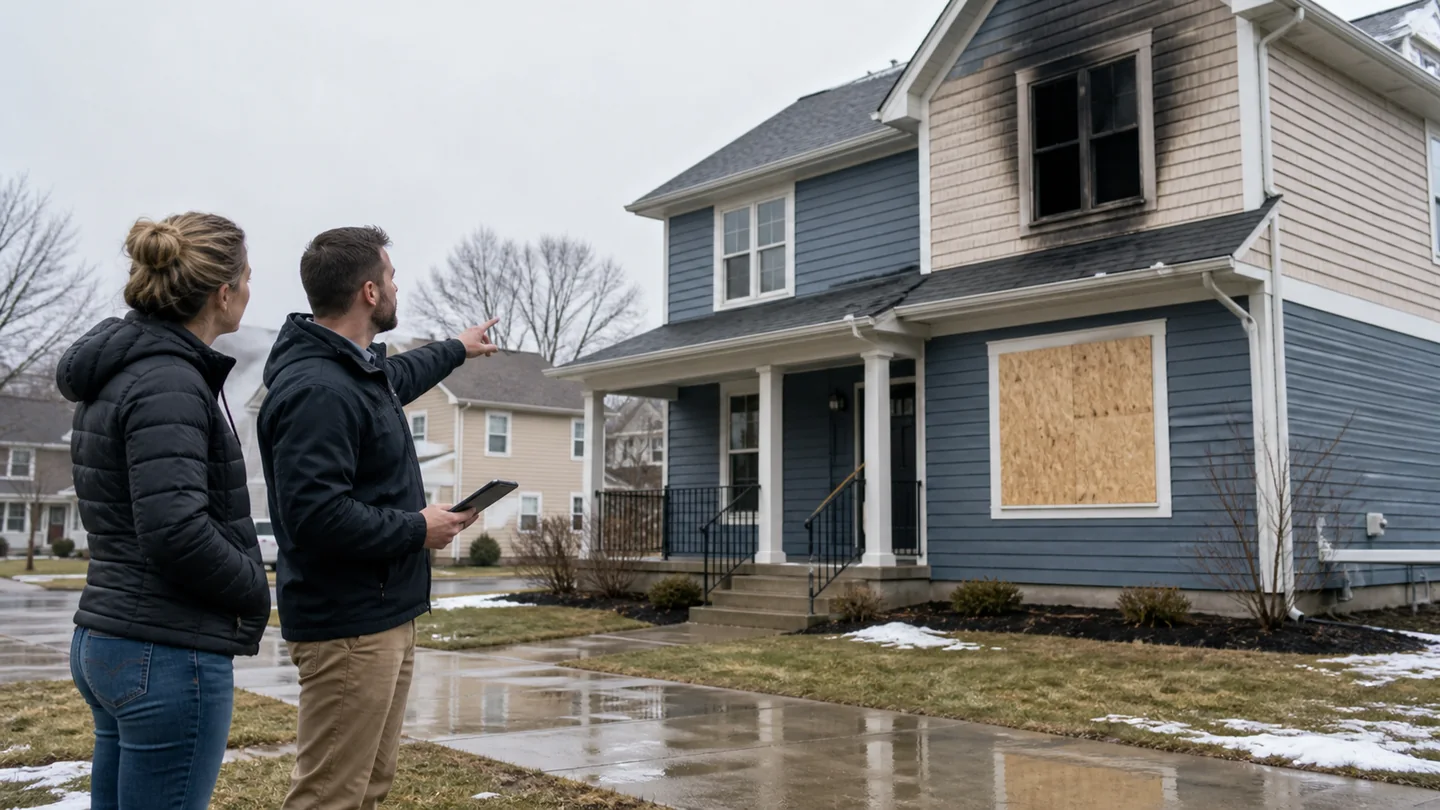
When the fire trucks leave, the emergency may be under control, but the recovery has only started. Heat can weaken materials, smoke can travel far beyond the burned room, soot can settle inside cabinets and ductwork, and water used to extinguish the fire can soak floors, walls, and insulation.
For homeowners in your local area, your local area, your local area, your local area, Warren, and nearby your area communities, cold weather can add another problem: a damaged home may need fast board-up, roof tarping, and professional freeze protection before temperatures fall. This guide explains what fire and smoke damage restoration involves, what it may cost, and how to compare the people and paperwork involved.
What to do immediately after a home fire
- Do not enter until the fire department or other authorized official says the property is safe. Floors, stairs, ceilings, walls, and utilities may be less stable than they appear.
- Do not turn water, electricity, or gas back on yourself. If firefighters or the utility disconnected a service, have the appropriate professional inspect and restore it.
- Contact the insurer promptly. Ask about emergency board-up, temporary housing, contents handling, documentation, deductibles, and the next required approval.
- Keep children, pets, older adults, and people with heart or lung conditions away from soot, ash, debris, and cleanup work.
- Do not dry-sweep soot, use an ordinary household vacuum, wash walls with random cleaners, or test smoke-damaged appliances. The wrong method can spread residue, set stains, or create another hazard.
| Safety clearance is not cleanup clearance Permission to enter may allow a brief supervised visit; it does not mean every room, surface, utility, or belonging is safe to handle. Follow the fire department, building official, utility, insurer, and qualified restoration professionals. |
|---|
How much does fire damage restoration cost in 2026?
Angi reports a 2026 national fire-restoration range of $3,083 to $52,031, averaging about $27,477. A small smoke-only loss may fall below that range, while major structural reconstruction can exceed it substantially. HomeYou's current New York example is much narrower and based on a limited 200-square-foot scope, so it should not be treated as a your area whole-house estimate.
| Service or scope | 2026 planning range | What generally affects the amount |
|---|---|---|
| Overall fire restoration | $3,083-$52,031 | Fire size, rooms, structure, contents, water, and rebuild |
| Suppression-water damage | $1,000-$6,000 | Extraction, wet materials, drying area, and duration |
| Soot removal | $2,000-$6,000 | Residue type, surface area, access, and cleaning method |
| Smoke damage cleaning | $200-$1,200 per room | Room size, surfaces, odor, textiles, and contents |
| Duct cleaning | $250-$500 | System size and evidence of soot or debris in ductwork |
| Furniture/textile deodorizing | $200-$1,000 | Material, item count, contamination, and treatment |
| Thermal fogging | $200-$600 | Area treated and whether it fits the restoration plan |
These are national planning figures, not guaranteed your area prices. Ask the estimator to separate emergency stabilization, water mitigation, structure cleaning, contents work, demolition, odor treatment, HVAC work, and reconstruction. A single total without quantities, methods, and exclusions is difficult to compare.
The fire restoration process, step by step
1. Clearance and emergency stabilization
Restoration begins only after emergency authorities release the property for the permitted activity. The first contractor visit may focus on preventing additional loss rather than cleaning: boarding broken windows and doors, tarping a damaged roof, securing openings, fencing unsafe areas, and documenting conditions.
In a cold winter, stabilization may also include a qualified plan for plumbing, heat, and moisture. If utilities cannot operate safely, professionals may drain vulnerable water lines or use approved temporary measures. Never place an unvented heater or fuel-powered generator inside a damaged home.
2. Damage assessment and written scope
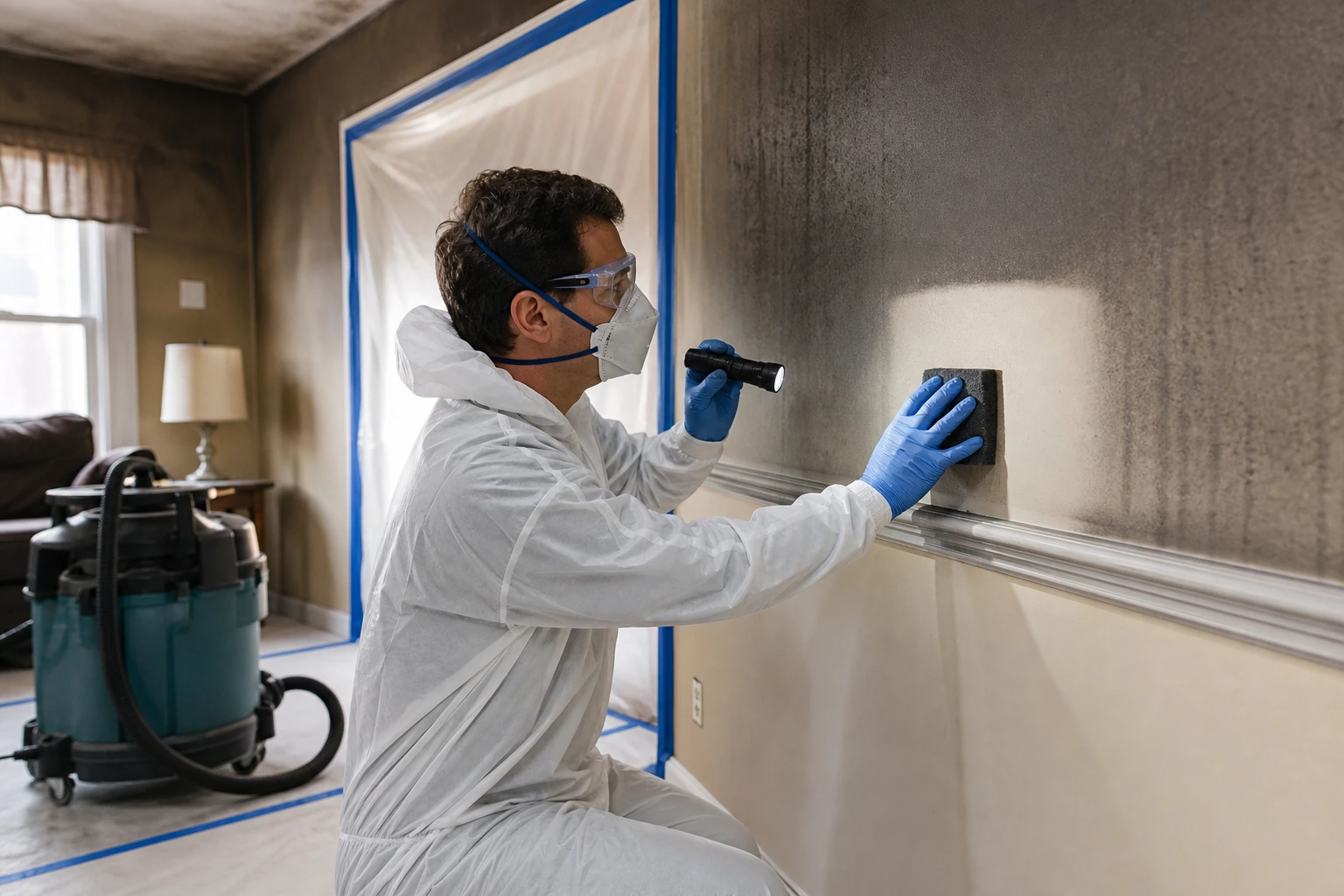
A thorough assessment maps more than the visibly burned room. It tracks flame and heat damage, smoke pathways, soot deposits, ventilation openings, firefighter access points, suppression water, damaged finishes, and affected belongings. Structural, electrical, plumbing, roofing, HVAC, or environmental specialists may be added when the loss involves those systems.
The scope should identify what will be cleaned, removed, restored, stored, or rebuilt. It should also state the cleaning tests, equipment, labor, quantities, completion criteria, and work that is excluded. Photographs and room diagrams help the homeowner, contractor, and insurer discuss the same conditions.
3. Water extraction and structural drying
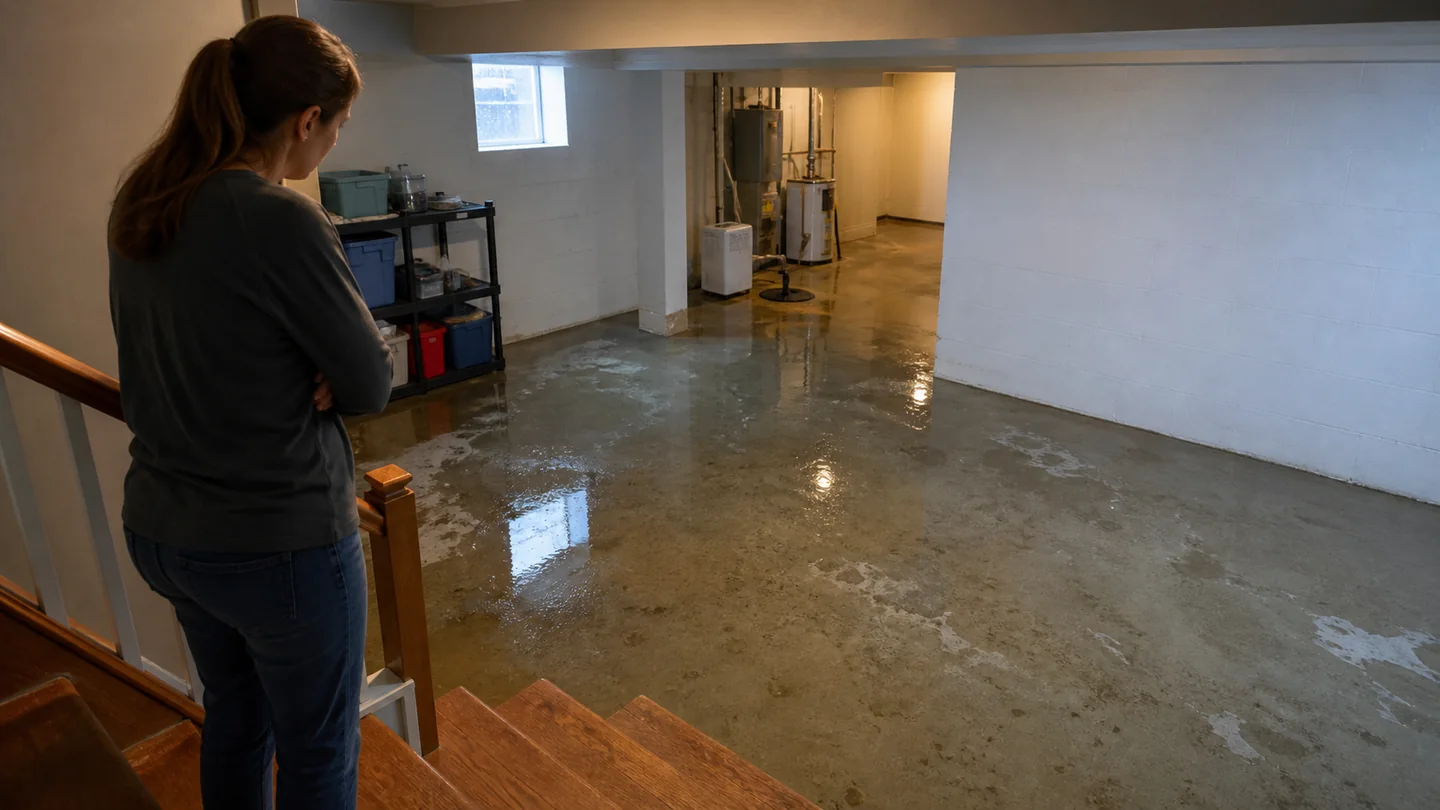
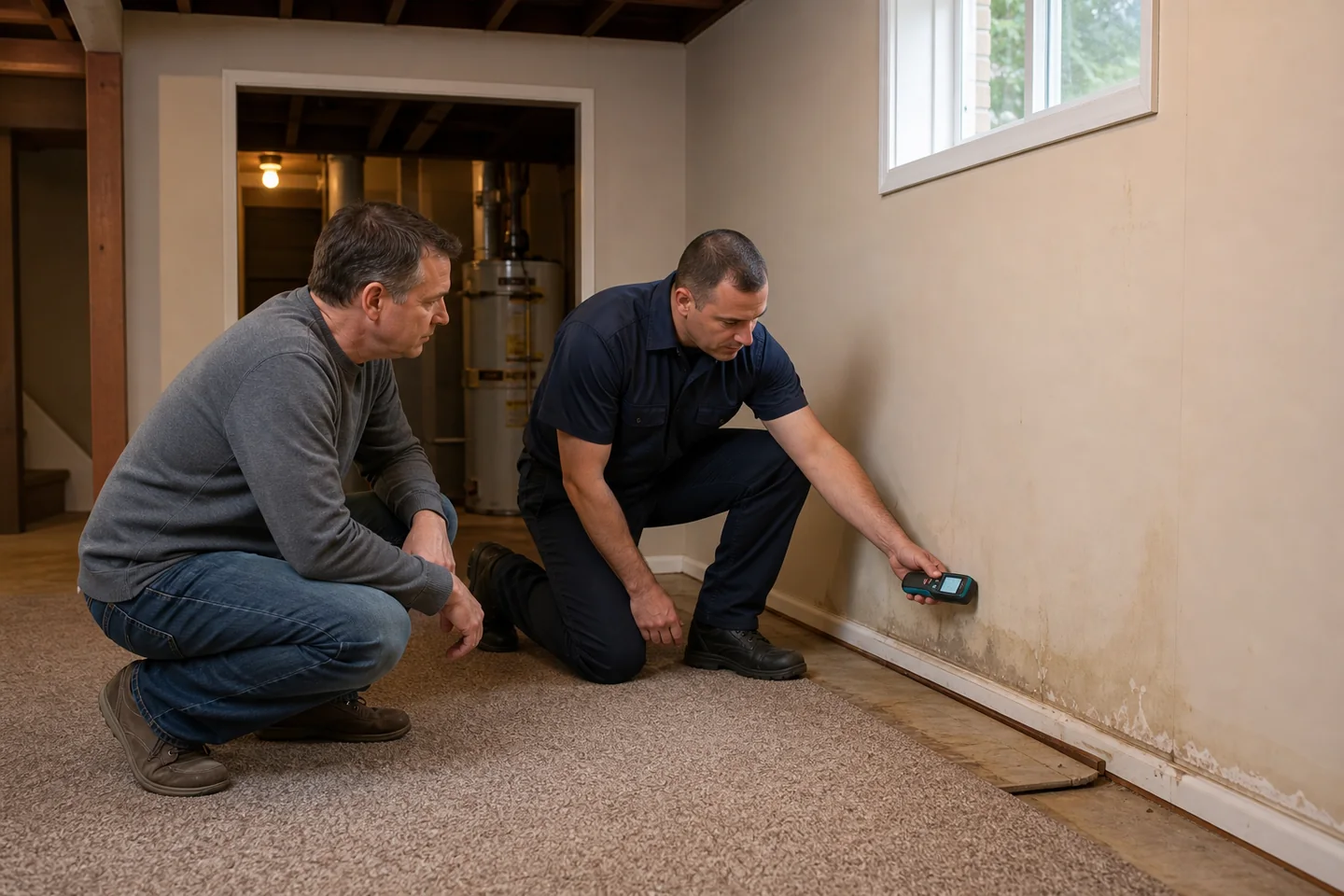
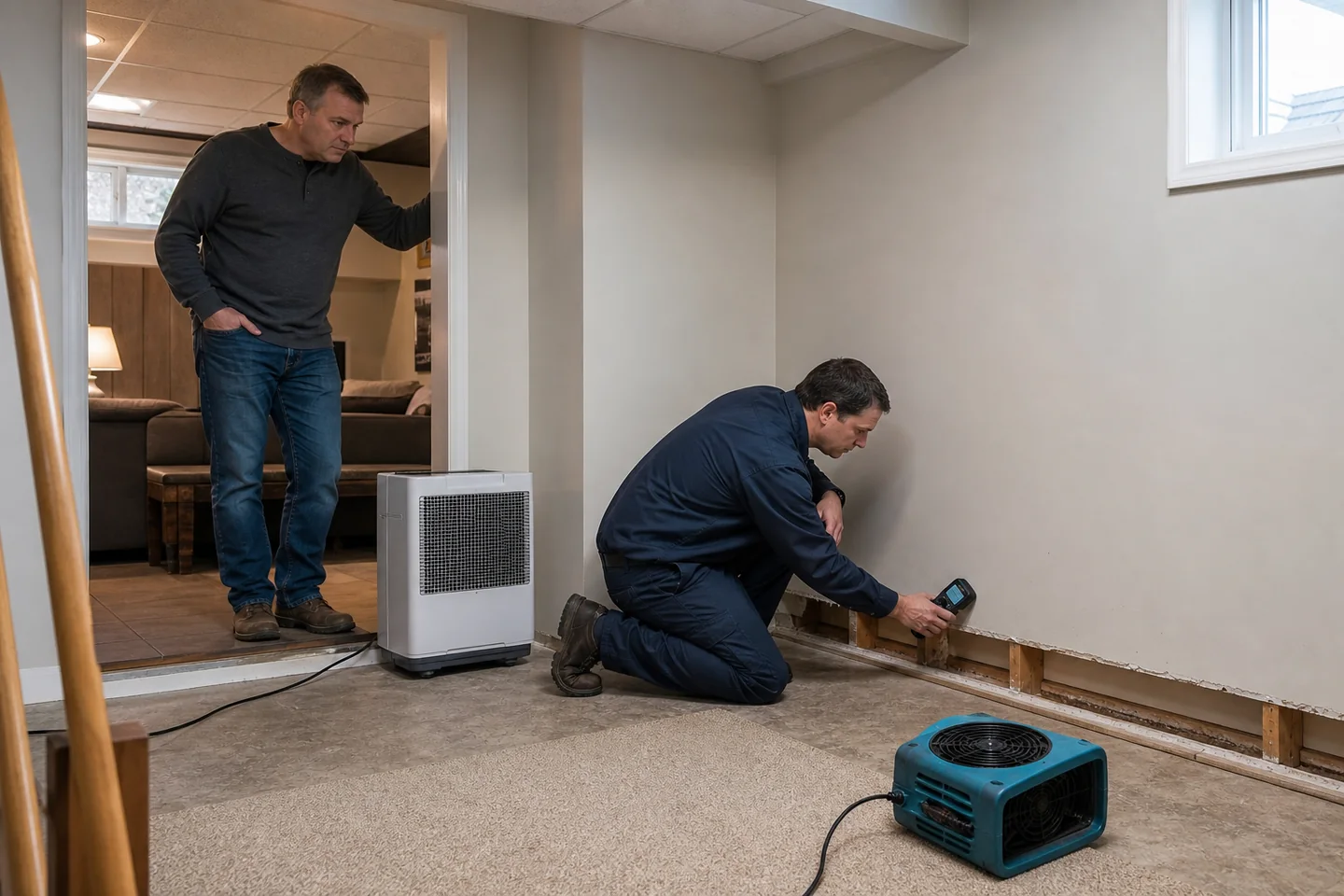
Water from hoses and sprinklers can migrate below flooring, behind walls, into insulation, and down to lower levels. Extraction and controlled drying may therefore begin before soot cleaning. Wet materials are evaluated, unsalvageable layers are removed, and moisture readings guide dehumidifier and air-mover placement.
This work should be coordinated with soot containment. Uncontrolled airflow can carry particles from dirty areas into cleaner rooms. Drying is not complete merely because the surface feels dry; moisture in framing, subfloors, and cavities should be measured before rebuilding.
4. Debris removal and selective demolition
Charred or structurally compromised material may need removal, but demolition should follow documentation and an agreed scope. Older homes may contain lead-based paint, asbestos-containing materials, or other hazards that require testing or specially trained contractors before disturbance.
Selective demolition preserves materials that can be restored while opening areas that cannot be cleaned or dried in place. The contractor should explain how debris will be contained, transported, and documented and who is responsible for permits and disposal.
5. Soot and smoke-residue cleaning
Not all residue behaves the same. Dry, powdery soot from ordinary combustibles may respond to HEPA vacuuming and dry-cleaning methods. Grease, plastics, synthetic materials, and low-oxygen fires can create oily or sticky residue that smears and penetrates finishes. Kitchen fires may leave a nearly invisible protein film with a persistent odor.
Technicians test a small area and match the method to the residue and surface. Cleaning often moves from ceilings and walls to trim, cabinets, floors, fixtures, and detailed contents. Applying water or a household cleaner before testing can drive soot deeper or permanently change a finish.
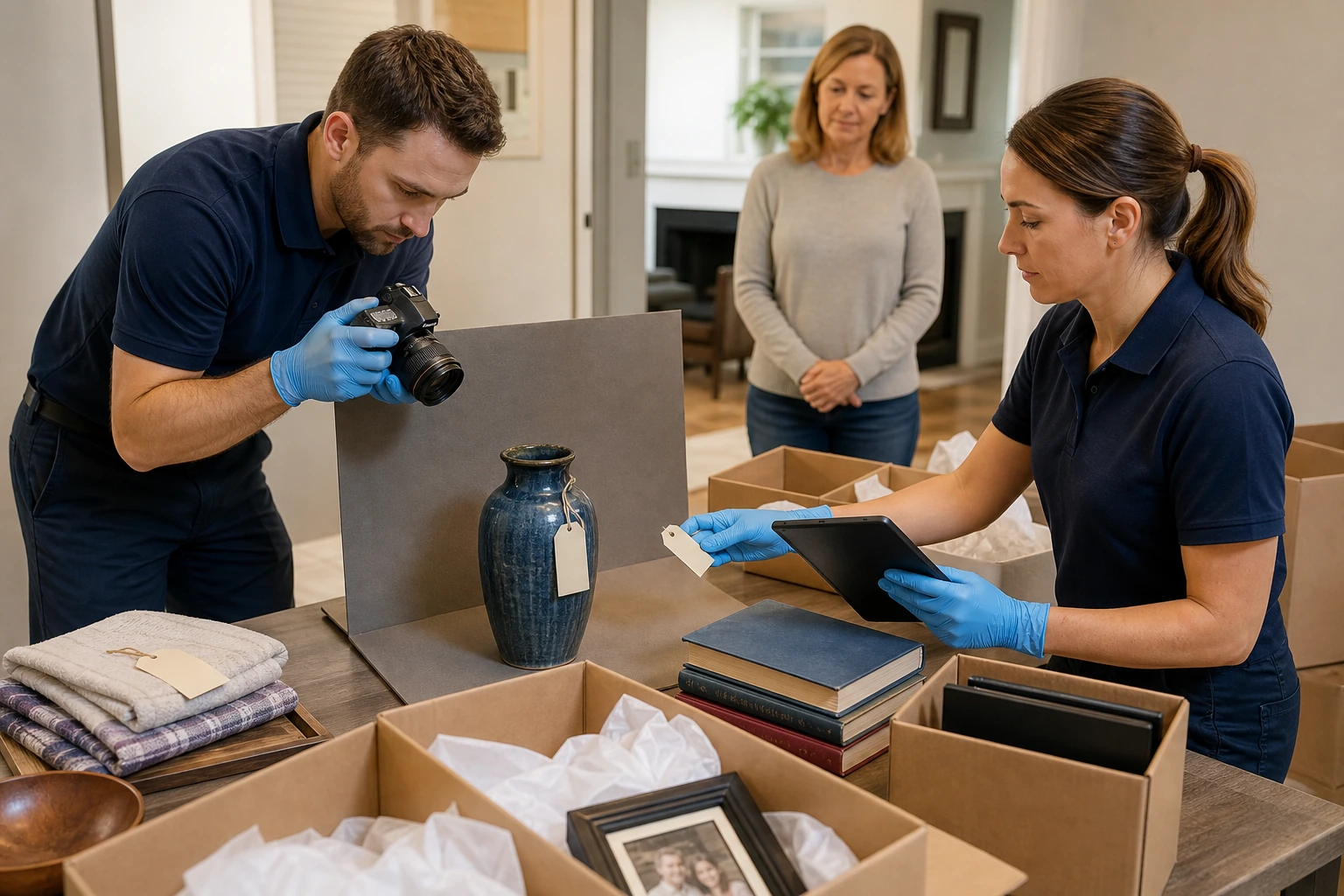
6. Contents inventory, pack-out, and restoration
Belongings are usually grouped as cleanable on site, suitable for off-site restoration, unsafe or uneconomical to save, or requiring a specialist. Clothing, textiles, documents, photographs, electronics, artwork, and furniture may all need different handling.
A pack-out should include a photographed inventory, item or box numbers, destination, cleaning status, storage charges, and a return process. Do not discard claim-related property before it is inventoried and the insurer's disposal instructions are confirmed, unless an authority directs immediate removal for safety.
7. Odor removal and HVAC evaluation
Odor treatment works best after the residue source has been removed or cleaned. Masking fragrance over soot is not restoration. Depending on the loss, the plan may use targeted cleaning, HEPA filtration, controlled deodorization, sealing of cleaned but odor-retaining materials, or specialized treatments.
HVAC equipment and ducts should be evaluated based on whether the system operated during the fire, where returns and supplies are located, and whether soot or debris entered the system. Do not run a contaminated system simply to test the smell; it may distribute residue to unaffected rooms.
8. Reconstruction and final verification
Reconstruction begins after unsafe material is removed, the structure is acceptably dry, and cleaning goals are met. Work may include framing, roofing, windows, insulation, drywall, flooring, cabinets, electrical, plumbing, painting, and code-required upgrades.
Before final payment, compare the completed work with the scope. Confirm permits and inspections, review warranties, test restored systems through qualified trades, examine cleaned contents, and record remaining concerns. A final walkthrough should address cleanliness, odor, moisture, finishes, and punch-list items rather than appearance alone.
How smoke and soot travel beyond the fire room
Smoke follows air movement and pressure differences. It can pass through door gaps, wall and ceiling penetrations, stairwells, plumbing chases, and HVAC pathways. Cooler surfaces may collect residue even when they are several rooms from the fire.
That is why a room-by-room assessment matters. A clean-looking wall does not prove there is no residue, and a smoke odor does not identify its exact source. The contractor should connect observations and test-cleaning results to the proposed scope instead of automatically treating every surface the same way.
Insurance and documentation checklist
- Fire department incident number and any fire marshal or building-department restrictions
- Wide and close-up photographs taken only from areas cleared for entry
- A room-by-room contents inventory with brand, age, model, condition, and receipts when available
- Emergency board-up, tarping, temporary housing, meals, laundry, mileage, storage, and other fire-related receipts
- Written estimates divided into mitigation, contents, cleaning, demolition, equipment, and reconstruction
- Moisture logs, cleaning records, specialist reports, permits, inspection approvals, invoices, and change orders
Coverage, limits, deductibles, temporary-living benefits, code-upgrade allowances, and valuation methods depend on the policy and facts of the loss. Ask the insurer to explain required documentation and approvals. Keep your own copies of every estimate, authorization, inventory, photograph, and conversation note.
How to compare fire restoration contractors
- What fire-and-smoke restoration training, certifications, insurance, and relevant project experience do you have?
- Who provides emergency stabilization, water mitigation, contents work, specialty cleaning, and reconstruction?
- How will you identify the smoke pathway and residue type and test the proposed cleaning method?
- How are work authorizations, equipment days, labor, storage, subcontractors, overhead, and change orders priced?
- What will be documented before removal, during drying and cleaning, and at completion?
- Who communicates with the insurer, and which decisions still require the homeowner's written approval?
The insurer may recommend contractors, but the homeowner should still understand the agreement being signed. Read cancellation terms, payment assignments, direction-to-pay forms, storage fees, exclusions, and responsibility for the deductible before authorizing work.
Frequently asked questions
When can I enter my home after a fire?
Only after the fire department or other authorized official says entry is permitted, and only for the allowed purpose. Utility, structural, soot, water, and debris hazards may remain even after limited entry is approved.
Can I clean soot from the walls myself?
Avoid wiping or washing before the residue and finish are tested. Soot may smear, penetrate paint, or react with the wrong cleaner. Small superficial losses still deserve guidance; widespread, oily, or unknown residue is professional work.
Why does the house still smell after visible soot is gone?
Odor can remain in porous finishes, insulation, contents, cavities, or HVAC components. Effective deodorization follows source removal and cleaning; fragrance alone does not solve the contamination.
Does fire restoration include water damage?
It should address suppression water when present, but the estimate may list extraction and drying as a separate mitigation scope. Confirm who handles moisture mapping, equipment, wet-material removal, and completion readings.
Will everything in the home need to be thrown away?
No. Salvage depends on heat exposure, residue, material, water damage, safety, value, and available cleaning methods. Food, medicine, cosmetics, and heat-damaged safety equipment require especially conservative decisions.
How long does fire damage restoration take?
Minor smoke cleaning may take days, while a loss involving demolition, permits, specialty contents, and reconstruction can take weeks or months. The contractor should provide phase milestones and update them when the scope changes.
Will homeowners insurance cover fire and smoke restoration?
Many policies cover accidental fire losses, but the cause, limits, exclusions, deductible, valuation, and selected upgrades affect payment. Report the loss promptly and rely on the insurer's written policy-specific guidance.
A clear process makes recovery more manageable
Fire restoration is not one cleaning visit. It is a coordinated sequence of safety clearance, stabilization, assessment, water mitigation, residue cleaning, contents decisions, odor control, reconstruction, and verification. Each phase should have a written purpose, price, and completion record.
Start with safety and documentation, then compare itemized scopes rather than promises. The right your area team should explain what it found, why each method is appropriate, what can be saved, what must be replaced, and how the home will be checked before the project closes.
Sources
U.S. Fire Administration: After the Fire - Returning to Normal
American Red Cross: Checking Your Home After a Fire
U.S. EPA: Wildfires and Indoor Air Quality
U.S. EPA: Dealing With Debris and Damaged Buildings
Berkeley Lab: Restoring Homes After Wildfires